Chattanooga Sets a New Urban Milestone
Chattanooga, Tennessee, has been officially recognized as North America’s first National Park City, marking a major moment in the global movement to reimagine cities as places where people, nature, culture, and community are deeply connected.
The designation was awarded in April 2025 by the National Park City Foundation, following a comprehensive peer review process supported by World Urban Parks and Salzburg Global. Chattanooga is now the third National Park City in the world, joining London (2019) and Adelaide (2021).
From Pollution to Recognition
Chattanooga’s recognition comes after decades of transformation. In the late 1960s, the city was declared the worst in the United States for particulate air pollution. Industrial emissions once darkened the skies, and public health suffered as a result.
Over time, residents approved stricter environmental regulations, leading to dramatic improvements in air quality by the late 1980s. Today, Chattanooga is home to more than 100 parks, over 35 miles of trails, and revitalized riverfront spaces that reflect sustained environmental stewardship.
A City-Wide Effort
The campaign to become a National Park City was built on broad public support. More than 5,000 residents endorsed the National Park City Charter, while community groups, local businesses, and city leaders contributed to the effort.
The city worked toward accreditation for nearly two years, submitting detailed documentation—referred to as a “Journey Book”—outlining how Chattanooga met the foundation’s criteria for becoming greener, healthier, wilder, and more culturally rich.
Delegates from the foundation visited the city in early 2025, touring parks, urban farms, and green spaces while meeting with community leaders.
“During our peer review we saw first-hand the extraordinary breadth and depth of engagement with the Chattanooga National Park City vision,”
— Alison Barnes, Trustee, National Park City Foundation
What National Park City Status Means
The National Park City designation is not connected to the U.S. National Park Service. Instead, it reflects a global movement that applies the spirit and long-term vision of national parks to urban environments.
Chattanooga’s charter outlines commitments to:
- Unrivaled access to nature
- A strong culture of outdoor activity
- Environmental stewardship and education
- Inclusive and sustainable development
- Community and cultural enrichment
City leaders have encouraged residents to think of Chattanooga as “a city in a park, rather than a city with some parks in it.”
“The outdoors is our competitive advantage,” said Mayor Tim Kelly.
“It’s at the heart of our story of revitalization.”
This urban transformation echoes how one man single-handedly grew a forest on India’s Majuli Island — proof that sustained, committed effort can reshape an entire landscape.
A Model for Other Cities
The National Park City Foundation described Chattanooga’s submission as creative, engaging, and exemplary. The city’s new status introduces what foundation leaders call a new chapter in a long history of renewal rooted in landscape, culture, and community.
“It’s a huge honour to welcome Chattanooga as a full member of the National Park City movement,”
— Mark Cridge, Executive Director, National Park City Foundation
As the first city in North America to earn the designation, Chattanooga now serves as a reference point for other urban areas exploring how cities and nature can coexist more closely—by design.
Chattanooga’s transformation is part of a broader global shift — one captured in the decade of slowing emissions growth since the Paris Agreement was signed.
Share a Pebble

Send a Pebble

Related Posts
Paris Just Did Something It Hasn’t Done in 100 Years. And Everyone Jumped In.
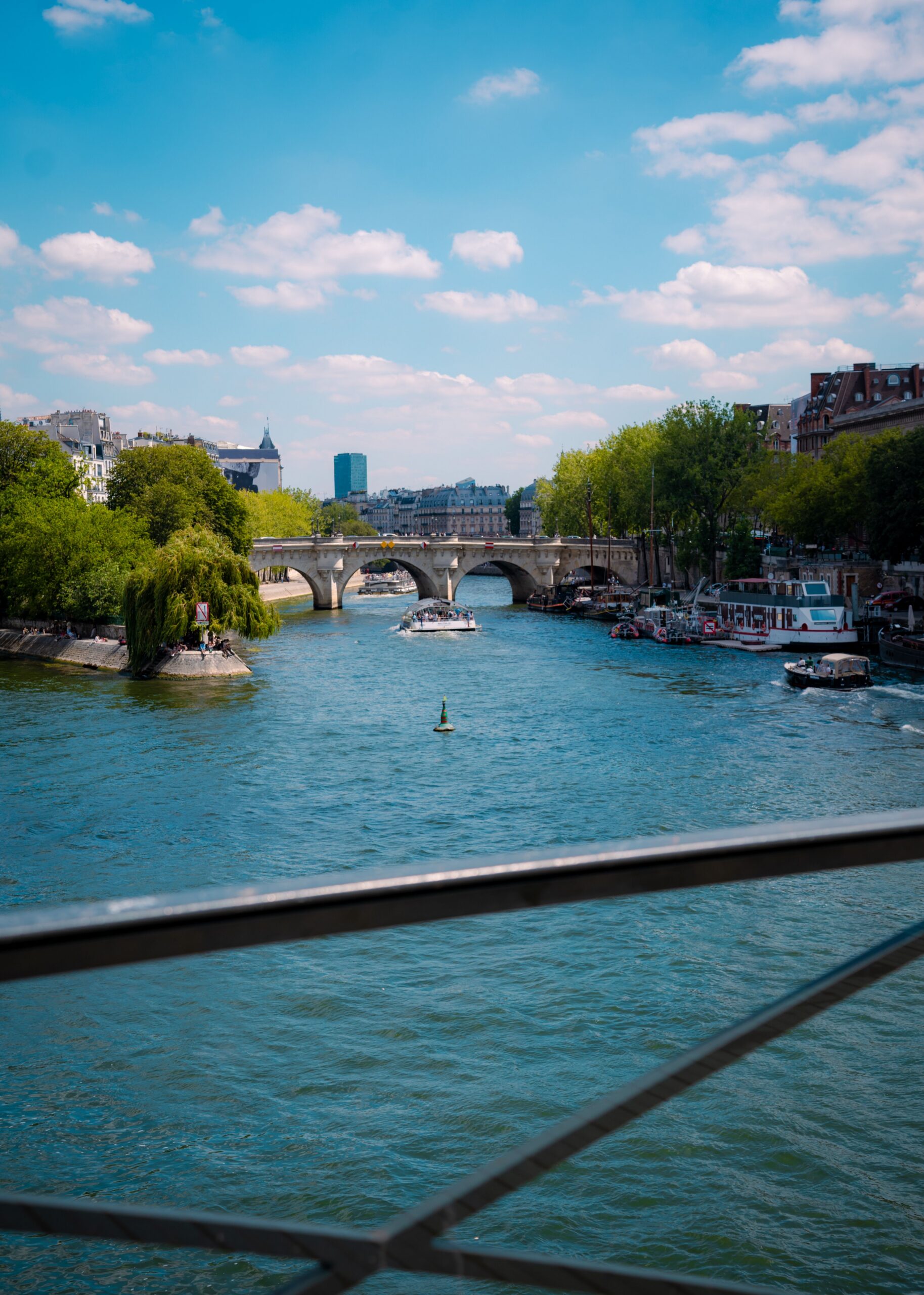
For 100 years, swimming in the Seine was illegal. This summer Paris is opening 8 free supervised swimming sites along the river — and 150,000 people already proved the idea works.