Part 6 of 6 · The Goldman Environmental Prize 2026
.
The Yup’ik Leader Who Stopped North America’s Biggest Proposed Mine — and Kept Fighting Anyway
Yesterday we met Sarah Finch from the UK — the woman who changed the rules for every oil and gas project in Britain forever. Today we travel to Alaska, to one of the last truly wild places on earth, and the woman who spent twenty years making sure it stayed that way.
Alannah Acaq Hurley grew up in Saguyaq — known in English as Clark’s Point — on the shores of Bristol Bay in southwest Alaska. There are no roads in or out. You fly in or you boat in. In winter, if it’s cold enough, you snowmachine between communities.
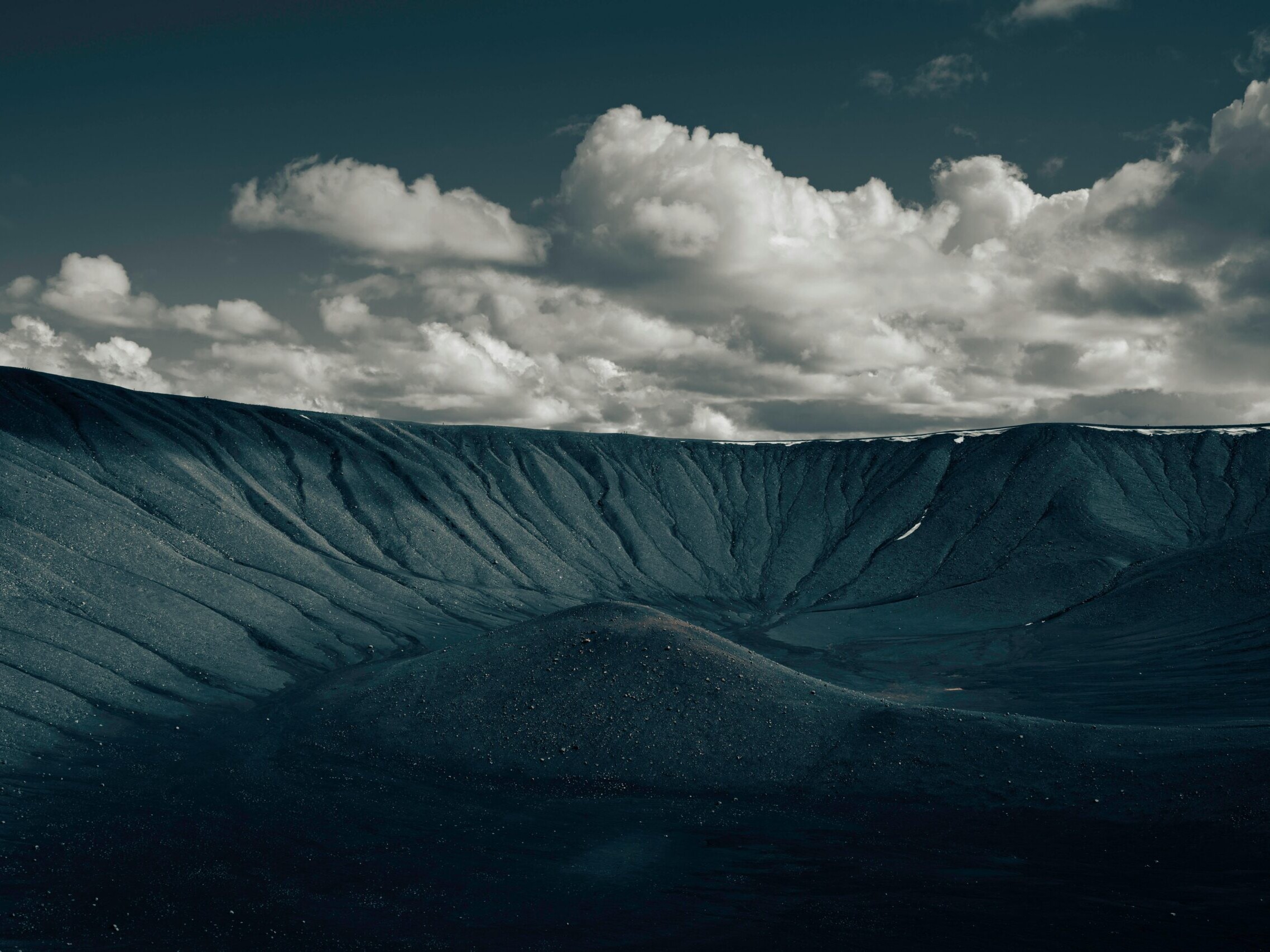
It is, by any measure, one of the most remote and pristine places left on earth. You can drink straight from the rivers. Fifty million sockeye salmon spawn in Bristol Bay every year — the largest wild salmon run in the world, sustaining Indigenous cultures, ecosystems and a $2.2 billion commercial fishing industry. Alannah grew up hunting, fishing and gathering just as her ancestors had for thousands of years, raised by her grandmother Mancuaq, who gave her the Yup’ik teachings that would ground everything that followed.
“Everything important,” Alannah has said, “the most important things that helped me navigate life — came from her.”
In 2001, a Canadian mining company called Northern Dynasty Minerals obtained mineral leases at the headwaters of Bristol Bay. What they proposed was staggering — a pit 2.5 miles wide and 600 feet deep, 100 miles of new roads carved through untouched wilderness, and the world’s largest earthen dam to hold billions of tons of toxic mining waste. Scientists projected the destruction of nearly 160 kilometres of salmon streams and over 2,000 acres of wetlands.
They called it Pebble Mine.
Alannah was in college when she first heard about it. She spent her summer breaks traveling to rural communities — many accessible only by boat or bush plane — spreading the word. When she became executive director of the United Tribes of Bristol Bay, representing 15 tribal nations, she turned that grassroots awareness into a coordinated, decades-long campaign.
They generated over a million public comments to the Environmental Protection Agency. Alannah testified before Congress. In 2020 the Army Corps of Engineers denied the mine’s water permit. Then in January 2023 — after more than twenty years of fighting — the EPA exercised its veto authority, only the 14th time in its history, to permanently block the Pebble Mine project, protecting Bristol Bay as a globally significant ecological and cultural resource.
She didn’t stop there. The mining company, joined by Alaska’s governor and the state itself, immediately challenged the veto in court. Alannah and the coalition are still in litigation, still fighting, working to codify the protections into law so that no future administration can undo what they built.
She says she fights from a place of love — not anger. Love for the land. Love for the water. Love for the grandmother who taught her that anything that happens to the land happens to the people.
This year she was awarded the 2026 Goldman Environmental Prize.
🏆 Goldman Environmental Prize: goldmanprize.org
🌟 Luce says: “She grew up being able to drink straight from the river — and spent twenty years making sure her children could do the same. That’s not a campaign. That’s a love story.” 🐦
🐧 Bene says: “What moves me most is that she won — and then kept going. Because she knows a veto isn’t a guarantee. That kind of stubborn, quiet dedication is rarer than any prize.” 🐧
That’s our Goldman Prize 2026 series — six women, six corners of the world, one historic first. Thank you for following along. Find us on Instagram and Facebook at @theglobalgoodnewsnetwork