Chilean Patagonia’s Heart Secured: 328,000 Acres Protected
The Cochamó Valley in northern Patagonia, Chile, is now permanently protected after a historic land purchase led by a coalition of local and international organizations. The 328,351-acre Fundo Puchegüín represents one of the largest undeveloped areas in the region, renowned for its rivers, forests, granite cliffs, and rich biodiversity.
“This is a historic milestone not only because of the size of the protected area, but also because of how it was achieved: with participation, transparency, and deep respect for the communities that live in Cochamó,” said Andrés Diez, executive director of Puelo Patagonia.
A Landmark Conservation Effort
The initiative was led by Conserva Puchegüín, a coalition including Puelo Patagonia, The Nature Conservancy (TNC), Freyja Foundation, Patagonia, Inc., and the Wyss Foundation. Together, the groups raised over $78 million to purchase the land and support its long-term protection.
“This radical collaboration of passionate individuals and organisations large and small has come together to do something extraordinary, a real gift to our Earth and our grandchildren.”
— Jeffrey Parrish, TNC
The purchase ends years of uncertainty after the previous owner listed Fundo Puchegüín for sale in 2022. The property now joins a 4-million-acre network of protected lands across Chile and Argentina, strengthening ecological connectivity and safeguarding species like Darwin’s frog, the huemul deer, and the monito del monte.
Preserving Pristine Ecosystems
The Cochamó Valley is home to ancient forests, including alerce trees dating back to 1,000 BC, and turquoise rivers teeming with life. The area receives over three meters of rainfall annually and has virtually no roads, making industrial agriculture impossible.
“It’s almost like the spiritual centre of the universe from a forest biodiversity standpoint. I can’t think of a place more pristine.”
— Alex Taylor, Cox Enterprises
The valley also features dramatic granite cliffs that attract climbers, as well as remote homesteads, rustic campgrounds, and traditional ranching practices that continue alongside nature conservation.
Community-Centered Conservation
Management of the land is now under the Conserva Puchegüín Foundation, a Chilean nonprofit with an independent board ensuring long-term stewardship. The management plan allocates at least 80% of the land for strict protection, while up to 20% will support sustainable uses, including low-impact tourism and traditional community practices.
Local communities played a pivotal role in fundraising and ongoing planning, ensuring the project balances environmental protection with livelihoods.
“Our goal was to transform threats into opportunities,” said José Claro, president of Puelo Patagonia.
Conserva Puchegüín also implemented wildlife monitoring, forest studies, and tourism management initiatives, ensuring biodiversity, carbon storage, and climate resilience are maintained.
A Legacy for Generations
The land was purchased for $63 million, with funds raised globally through thousands of donors. The coalition’s effort mirrors historic conservation work in Patagonia, including the initiatives led by Kris and Doug Tompkins, which helped protect over 5.7 million hectares of wildlands.
“The Cochamó Valley is one of the most breathtaking places on Earth, and its protection is a victory for the Chilean people, wildlife, and the planet.”
— Molly McUsic, Wyss Foundation
With permanent protection, ecological monitoring, and community engagement in place, Cochamó Valley’s heartland is secured for future generations, ensuring its forests, rivers, wildlife, and cultural heritage remain intact.
Sources:
Patagonia, Inc. (2025) – Heart of Cochamó in Chilean Patagonia to be protected after historic purchase
The Nature Conservancy (2026) – Conserva Puchegüín
Gripped (2025) – Historic Deal Protects Cochamó in Chilean Patagonia
The Guardian (2025) – ‘I can’t think of a place more pristine’: 133,000 hectares of Chilean Patagonia preserved after local fundraising
Share a Pebble

Send a Pebble

Related Posts
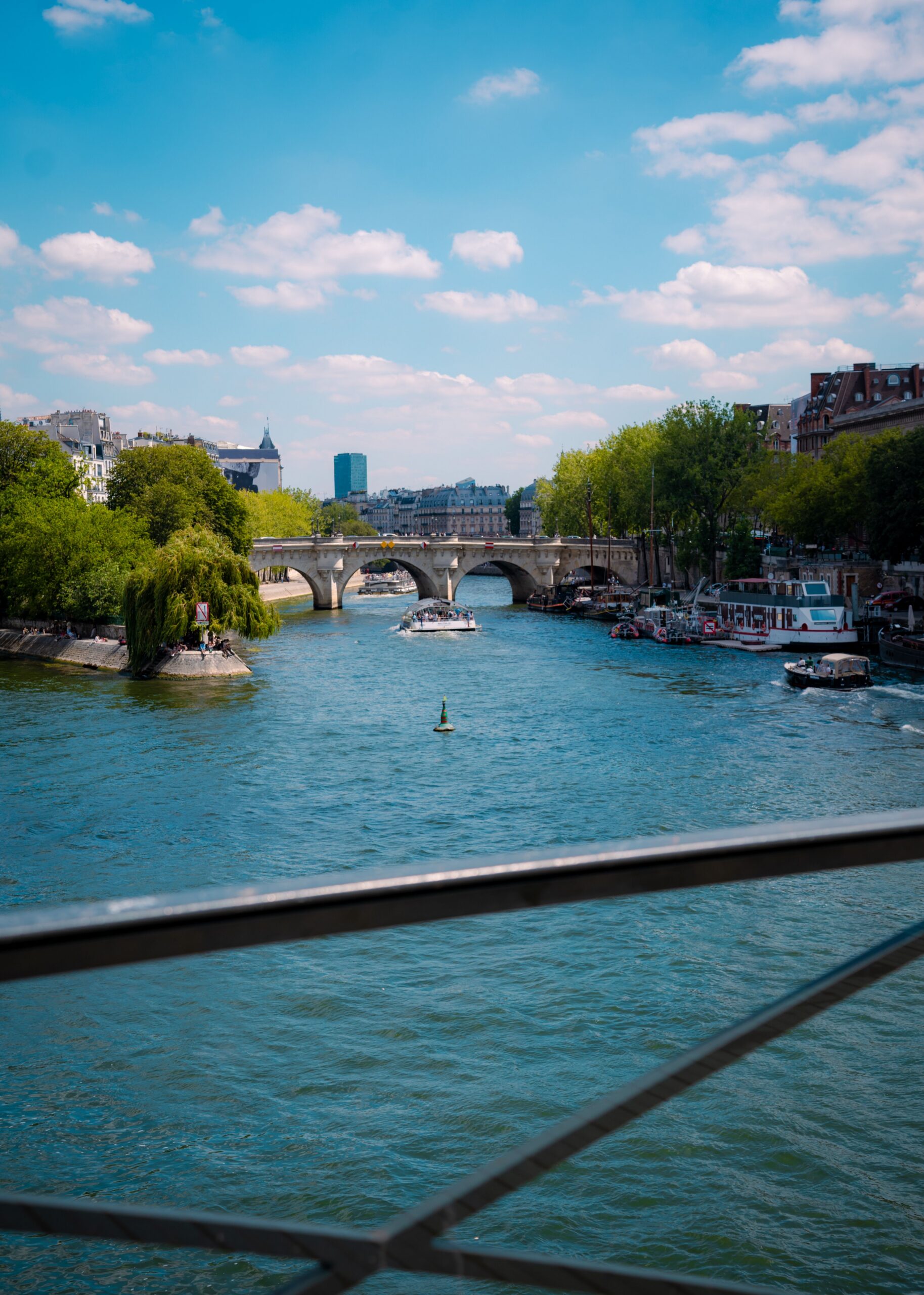
Paris Just Did Something It Hasn’t Done in 100 Years. And Everyone Jumped In.
For 100 years, swimming in the Seine was illegal. This summer Paris is opening 8 free supervised swimming sites along the river — and 150,000 people already proved the idea works.