Urban forests are more than greenery—they’re lifelines for city communities. According to forestry specialist Festus Kiplagat, small wooded areas can improve mental health, reduce air pollution, and even counter the urban heat island effect caused by concrete and asphalt.
Why Miyawaki Forests Matter
Miyawaki forests are dense, fast-growing mini-forests planted on underused urban land. While they cannot replace large, native forests—critical for biodiversity and threatened by commercial logging and slash-and-burn farming—they offer meaningful local benefits:
- Cooler, shaded spaces in neighborhoods
- Cleaner air and reduced pollution
- Enhanced community wellbeing
“Where a patch of wasteland exists in your local community, a Miyawaki forest could be one way of doing your bit to help the environment,” says Kiplagat.
A Complement, Not a Replacement
Kiplagat emphasizes that Miyawaki forests should not be seen as an alternative to protecting existing native forests. Instead, they are a practical tool for urban spaces, offering ecological and social benefits while supporting broader conservation goals.
Small, thoughtful actions in cities can help reconnect people with nature—one Miyawaki forest at a time.
Miyawaki forests reach full canopy in just 20–30 years — a fraction of the time it takes natural forests to mature. Research also shows that trees don’t just clean the air — they communicate beneath the soil, sharing nutrients in ways scientists are only beginning to understand.
Source: Festus Kiplagat LinkedIn post
Share a Pebble

Send a Pebble

Related Posts
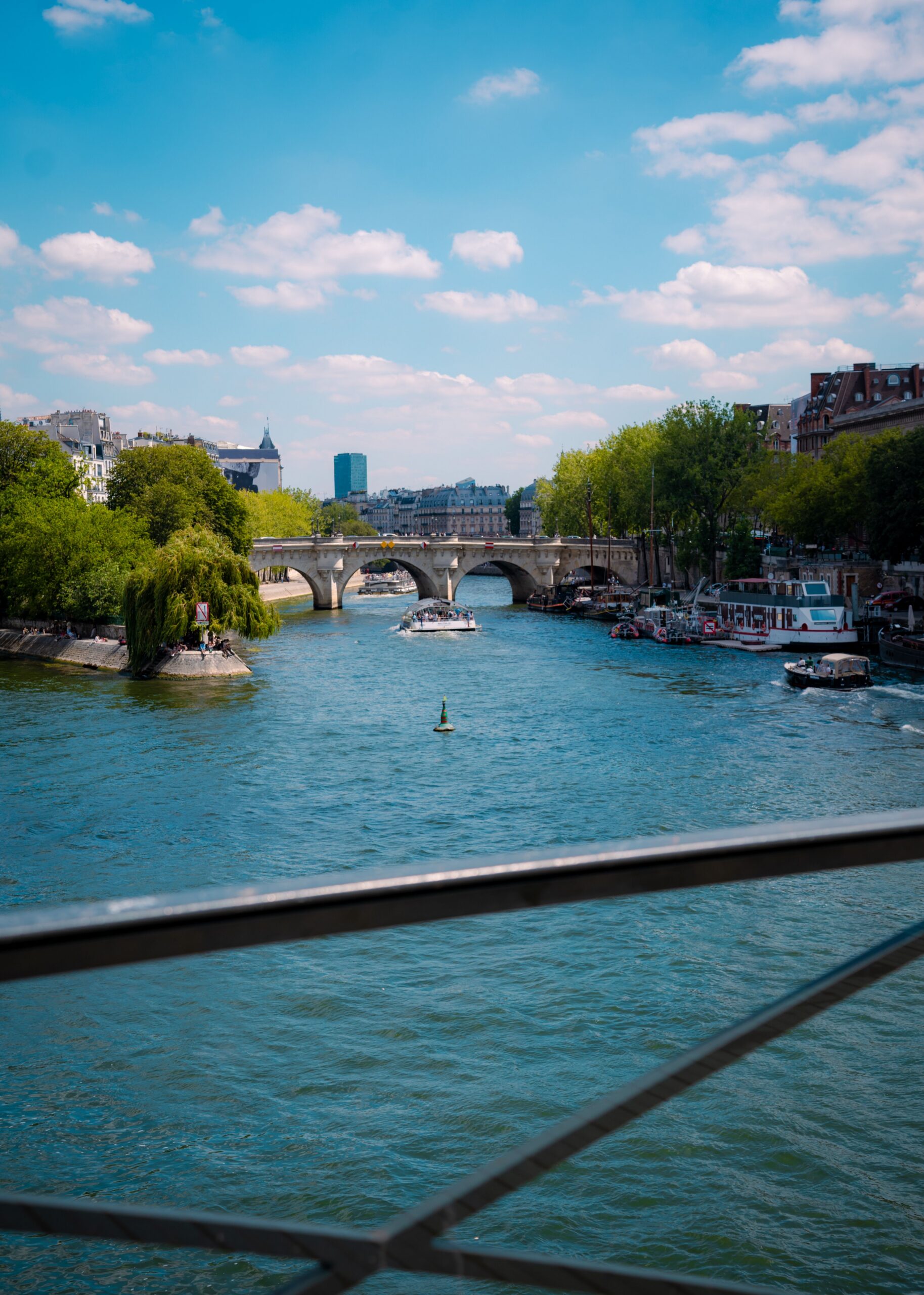
Paris Just Did Something It Hasn’t Done in 100 Years. And Everyone Jumped In.
For 100 years, swimming in the Seine was illegal. This summer Paris is opening 8 free supervised swimming sites along the river — and 150,000 people already proved the idea works.